
In agricultural practices, both drag hose and mainline hose are used for irrigation purposes, but they serve different functions and have distinct characteristics. Let’s explore the key differences between the two:
- Application and Usage:
- Drag Hose: Drag hoses are primarily used for on-site irrigation applications. They are designed to be laid out on the ground and dragged from one location to another. These hoses are often used in situations where the irrigation area is constantly changing, such as in pivot or traveler irrigation systems.
- Mainline Hose: Mainline hoses, on the other hand, serve as the main water supply lines in an irrigation system. They are typically larger in diameter and are buried underground or laid out on the surface in a more permanent manner. Mainline hoses are responsible for transporting water from its source (e.g., well, pump, reservoir) to various distribution points throughout the agricultural field.
- Mobility and Flexibility:
- Drag Hose: Drag hoses are designed to be highly flexible and easy to move around the field. They can be rolled up and transported from one area to another as needed. Their mobility makes them suitable for shifting irrigation requirements.
- Mainline Hose: Mainline hoses are less flexible and more rigid compared to drag hoses. Once they are installed and connected to the water source, they remain in place for an extended period. Their purpose is to efficiently and consistently deliver water to the various irrigation components, such as sprinklers or drip lines.
- Size and Water Capacity:
- Drag Hose: Drag hoses are typically smaller in diameter and have a lower water-carrying capacity compared to mainline hoses. They are more suitable for localized irrigation and may not be able to supply water to large areas without frequent relocation.
- Mainline Hose: Mainline hoses are larger in diameter and have a higher water-carrying capacity, allowing them to deliver water over longer distances and to cover larger areas without significant pressure loss.
- Durability:
- Drag Hose: Drag hoses are designed to be durable and resistant to wear and tear, as they are frequently moved around the field and subjected to various ground conditions.
- Mainline Hose: Mainline hoses are also durable, but they are often buried underground, providing them with added protection from potential damage caused by external elements.
In summary, drag hoses are more mobile, smaller, and used for on-site irrigation, whereas mainline hoses are less flexible, larger, and serve as the primary water supply lines in agricultural irrigation systems. The choice between the two depends on the specific irrigation needs and the layout of the agricultural field.
To learn more about hoses used in agriculture, read:
10 Tips For Selecting Mainline Hose for Manure Distribution
Why We Sell Mandal Hoes
10 Items To Look For When Buying Air Hose For Your Farm
Questions? Call us at 517-458-9741 or email us at info@triplekirrigation.com.
There is a growing trend that’s been catching on in the farming community – the use of dragline systems for manure application.
With the demand on the rise, many custom manure haulers have invested in this equipment, making it available in various areas. And we have also been fielding a lot of calls from farmers wanting to learn how to do this themselves. Want to know more? Call us at 517-458-9741 or email us at info@triplekirrigation.com.
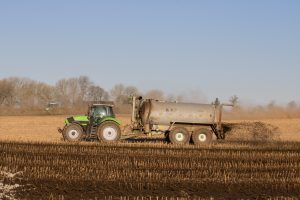
Manure spreaders:
In parts of the country, this spring’s cool, wet weather has caused delays in fieldwork, leaving us with wetter-than-desired soil conditions. This could be the perfect season to give drag line manure application a try.
One of the major perks of using a drag line is that it eliminates the need for those heavy manure tankers. Even if those tankers have floatation tires, their weight can really compact the soil, especially when we’re forced to apply during less-than-ideal conditions due to wet weather. Using a drag line system helps reduce this compaction risk.
Drag line operations are also more efficient. With the drag line, many operators have enough hose to pump manure as far as 3 miles from the storage. A big pump at the storage is usually controlled by the operator in the application rig. This means you can keep applying for longer periods without the hassle of running back to refill the tank after each load. So, you get more manure applied in a shorter weather window.
And here’s a road safety bonus: not having to run back to the storage after every load. This is a big deal in the congested traffic areas. It also saves us from wasting time stuck in slow traffic jams.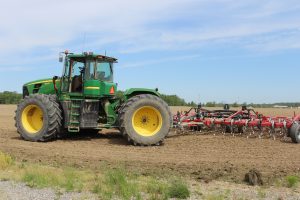
Now, when it comes to the drag line system, there are typically two types of application units. One option is a toolbar with multiple splatter plates, which allows for your typical surface application.
There’s a growing interest in manure incorporation. Years of surface application can lead to a buildup of high phosphorus levels in the top inch or two of soil, which can result in increased runoff of manure into our surface waters. Today’s incorporation equipment allows us to inject manure a few inches below the surface with minimal soil disturbance. This captures most of the conservation benefits of no-till while also reducing environmental concerns caused by phosphorus buildup at the soil surface. Plus, you can easily combine the drag line system with an injection unit to enjoy the best of both worlds.
The drag line system can be a game-changer for many farmers. It’s efficient, reduces compaction, enhances road safety, and offers the flexibility to incorporate manure effectively. This season, why not give it a shot and see the benefits firsthand?
Want to learn more? Call us at 517-458-9741 or email us at info@triplekirrigation.com.
Here are links to a couple of other interesting articles.
The Difference Between Drag Hose and Mainline Hose Is…
10 Tips For Selecting Mainline Hose for Manure Distribution
Happy farming!
Wondering why we sell Mandal’s hoses? In simple terms, it comes down to quality.
“The bitterness of poor quality remains long after the sweetness of low price is forgotten.” – Benjamin Franklin
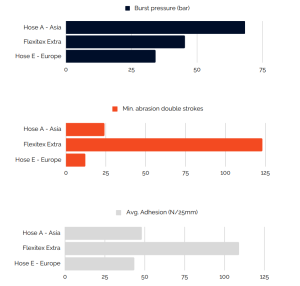
In a test of 4″ Rubber Supply Hoses, Mandal’s Flexitex Extra clearly outperforms the competition for abrasion and Adhesion.
l’s Flexitex Hose
Mandla’s also tested a well-known 4″ Drag Hose from Asia versus Dragman Standard and Dragman Premium. The results tell the tale!
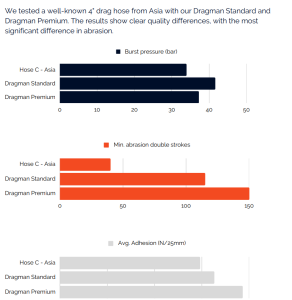
Dragman Standard and Premium
And when testing the 6″ and 7″ Drag Hoses, the results are familiar.
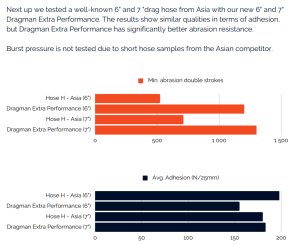
6″ and 7″ Dragman Hose
Questions about drag hose? Give us a call at 517-458-9741.
or visit https://irrigationsupplyparts.com/product-category/mandal/.
When selecting a mainline hose for moving manure in commercial farming, there are several important factors to consider. These factors will help ensure efficient and reliable manure transfer while minimizing the risk of hose failure and environmental contamination. Here are the key considerations:
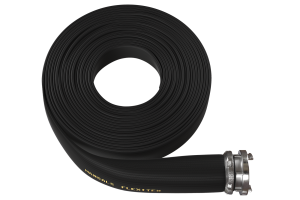
Mandals Mainline Hose
- Hose Material: Choose a hose material that is specifically designed for handling manure and is resistant to chemicals, abrasion, and punctures. Common materials used for manure hoses include synthetic rubber blends or polyethylene (PE).
- Diameter and Length: Consider the required flow rate and the distance the manure needs to be transported. Larger diameter hoses allow for higher flow rates, while longer hoses may be necessary to reach various areas of the farm. Ensure the hose length and diameter match your specific needs.
- Pressure Rating: Determine the maximum pressure the manure hose will be subjected to during operation. Select a hose with a pressure rating that exceeds the maximum pressure anticipated in your system. It’s crucial not to exceed the manufacturer’s recommended pressure to prevent hose failure.
- Flexibility and Bend Radius: Evaluate the hose’s flexibility and bend radius to ensure easy maneuverability and proper routing. A more flexible hose with a smaller bend radius will be easier to handle and less prone to kinking or collapsing.
- Corrosion Resistance: Manure can contain corrosive substances, so it’s essential to choose a hose that is resistant to corrosion. Look for hoses with appropriate coatings or liners that provide protection against corrosive elements.
- Smooth Interior: Select a hose with a smooth interior surface to minimize friction and prevent clogging or buildup of manure solids. A smooth interior also facilitates easier cleaning and maintenance.
- UV Resistance: If the hose will be exposed to sunlight or outdoor conditions, choose a hose with UV resistance to prevent degradation and premature failure due to sun exposure.
- Couplings and Fittings: Consider the compatibility of the hose with your existing manure handling system fittings and connections. Ensure the hose has the appropriate fittings and connections for easy integration and secure connections.
- Safety Features: Look for hoses that meet safety standards and regulations, such as those designed to minimize the risk of leakage, spills, or odors. Consider features like double-walled construction or leak-proof couplings.
- Price and Warranty: Compare the price of the hose in relation to its quality and features. Additionally, check the warranty offered by the manufacturer to ensure you have recourse in case of manufacturing defects or premature failure.
By considering these factors, you can select a mainline hose that is durable, efficient, and reliable for moving manure in commercial farming. Remember to consult with experts or industry professionals for specific recommendations based on your farm’s unique requirements.
While we have access to other hose manufacturers, we primarily sell Mandal’s Mainline Hoses and Mandal’s Drag hoses.
CLICK HERE to order Mainline Hose or CLICK HERE to order Drag Hose online, or feel free to give us a call today at 517-458-9741!


