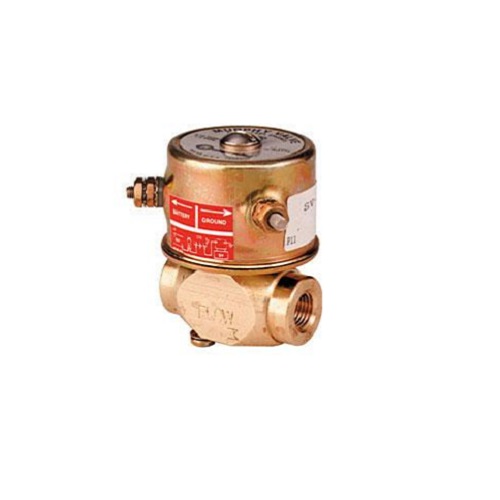
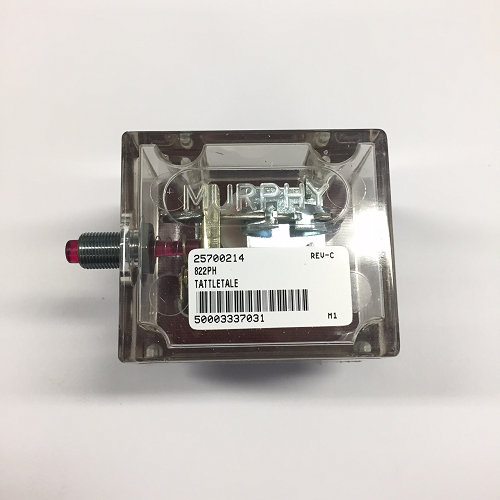
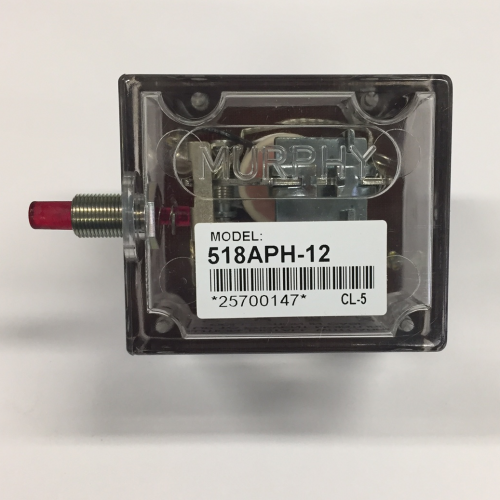
A Murphy Fuel Shut Off Valve – 12 Volt is an electrically controlled valve used in diesel or gasoline-powered irrigation pumps, generators, and other machinery to automatically control the flow of fuel. Powered by a 12-volt electrical system, it provides a reliable mechanism for starting or stopping fuel supply based on system signals, ensuring safety and operational efficiency.
Key Features:
- Automatic Fuel Control:
- Opens or closes the fuel line in response to electrical signals, allowing for remote or automated operation of fuel systems.
- 12-Volt Operation:
- Compatible with standard 12-volt electrical systems, making it suitable for most agricultural and industrial equipment.
- Durable Construction:
- Typically made from corrosion-resistant materials such as brass, stainless steel, or aluminum for long-term reliability.
- Designed to handle exposure to fuel, moisture, and other environmental conditions.
- Fail-Safe Design:
- Can be configured to close automatically in case of power loss or system shutdown, preventing fuel leaks or engine flooding.
- Compact and Easy to Install:
- Lightweight and designed for straightforward integration into existing fuel lines and electrical systems.
Common Applications:
- Irrigation Pumps:
- Used in engine-driven pumps to control fuel supply during operation and shutdown.
- Generators:
- Ensures safe starting and stopping of fuel flow in power generation equipment.
- Heavy Machinery:
- Protects engines in construction and agricultural equipment by regulating fuel flow.
- Remote Systems:
- Ideal for systems requiring remote or automated control of fuel supply.
Benefits:
- Safety:
- Automatically stops fuel flow in emergencies or system shutdowns, reducing the risk of fire, leaks, or engine damage.
- Efficiency:
- Allows for precise control of fuel supply, optimizing engine performance and conserving fuel.
- Ease of Integration:
- Works seamlessly with standard 12-volt electrical systems, requiring minimal modifications.
- Durability:
- Built to withstand harsh operating conditions, including exposure to fuel, heat, and weather.
- Automation Compatibility:
- Easily integrates with automation systems for remote monitoring and control.
How It Works:
- Connection:
- Installed in the fuel line between the tank and the engine.
- Connected to the 12-volt electrical system via wiring.
- Operation:
- When power is supplied to the valve, it opens to allow fuel flow to the engine.
- When the power is cut, the valve closes to stop the fuel supply.
- Control:
- Typically controlled by an engine management system, manual switch, or safety shutdown system.
Key Considerations:
- Voltage Compatibility:
- Ensure the valve is compatible with your system’s 12-volt electrical setup.
- Fuel Type:
- Verify that the valve is suitable for the type of fuel (diesel, gasoline, etc.) used in your system.
- Flow Capacity:
- Choose a valve that can handle the flow rate required by your engine or equipment.
- Safety Features:
- Look for valves with fail-safe mechanisms to enhance system reliability.
In summary, the Murphy Fuel Shut Off Valve – 12 Volt is an essential safety and control device for fuel systems in irrigation pumps, generators, and machinery. Its automatic operation, compatibility with 12-volt systems, and durable design make it ideal for efficient and safe fuel management in agricultural, industrial, and commercial applications