When you think of hemp farming in the United States, one of the first states that comes to mind is invariably colorado. With a history of marijuana and hemp agriculture, and a great climate for hemp growth, there’s a reason that Colorado is one of the nations top hemp growers.
In 2018 the federal farm bill declassified industrial hemp as a controlled substance, and declared it a regular crop. Because of the declassification, farmers were now able to take out farm loans and get crop insurance for hemp along with their other crops, lowering the risks previously associated with hemp growth. hailed as a miracle drug, preliminary research suggesting it can help everything from chronic pain and anxiety to ance and heart disease. In 2019 the CBD market produced nearly 312 million dollars, and is projected to grow 32% in the next five years.
Because of this surge in interest, the demand for hemp skyrocketed, and Colorado was perfectly aligned to take advantage of this green goldrush. In 2019 colorado experienced a boom in hemp agriculture, with more than 80,000 acres being planted, up from 30,000 acres in 2018.
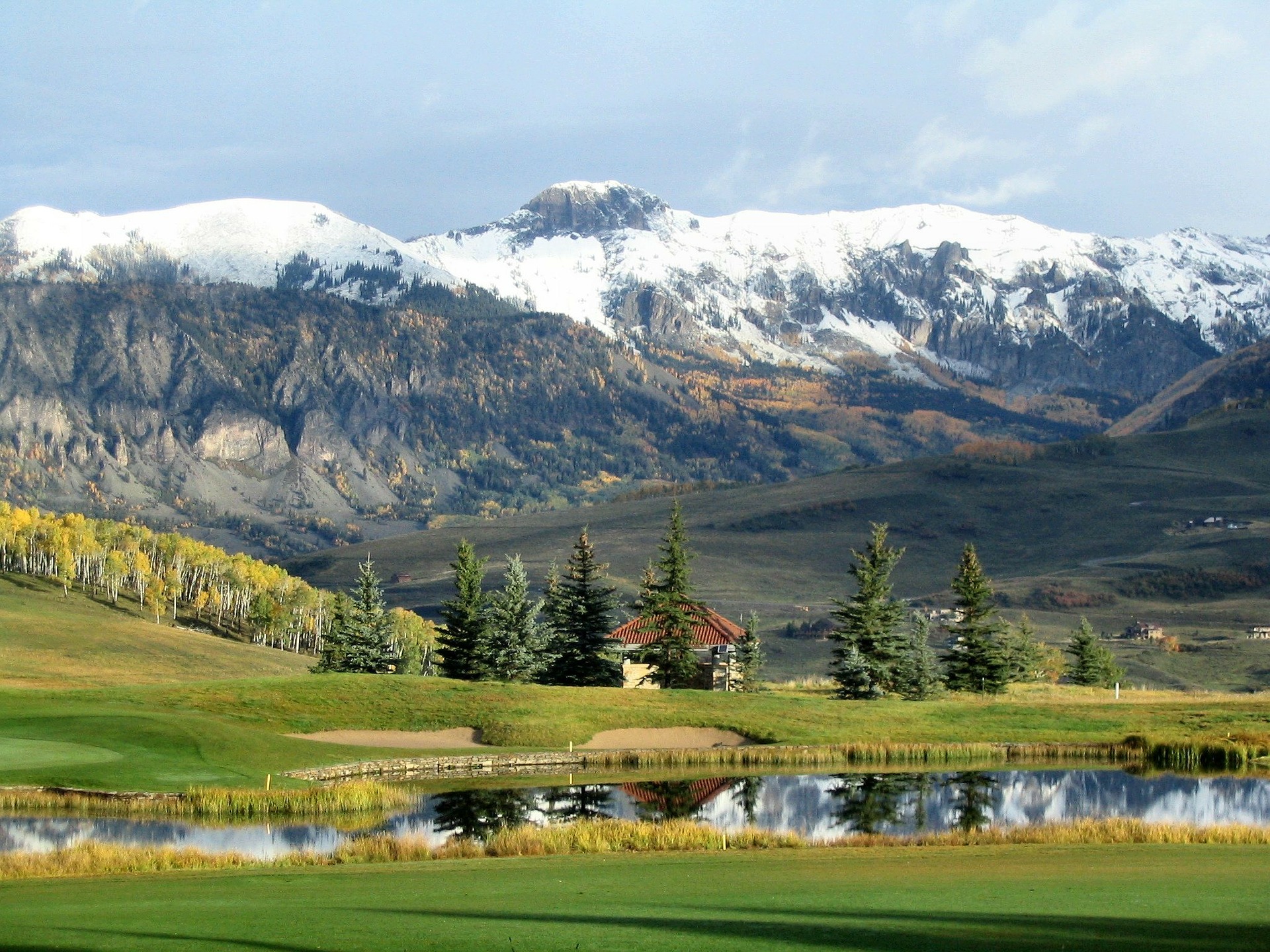 A major reason Colorado was perfectly poised to take advantage of this surge is the climate. Colorado is an arid state, meaning the risks of mold and bacteria are comparatively lower than more humid states. Although it is dry, farmers have been able to combat dehydrated crops by installing irrigation systems. There is little risk to farmers of their crops flooding, unlike states in the midwest. While the Colorado soil is generally not suited for hemp growth, being low in organic matter and alkaline while hemp prefers acidic loam, many farmers found ways to innovate, adding fertilizers and even importing soil.
Undoubtedly though, the biggest reason that colorado has been so conducive to hemp agriculture is the way state Department of Agriculture treats hemp. Colorado had legalized hemp growth in 2014, meaning many farmers already had experience growing hemp, and there was already some existing infrastructure in place to handle the growth and sale of hemp byproducts. Colorado issues cultivation licenses year round, allows hemp seeds to be sourced from anywhere, and does not place an acreage limit on the crop. Most states are far more rigid and constricting, meaning Colorado has the most farmer-friendly infrastructure.
When the 2018 hemp boom hit, colorado was perfectly poised to take advantage of it. With previously established laws and regulations, a good growth climate, and a non-restrictive department of agriculture, it’s no wonder Colorado is one of the nation’s largest hemp gowers.