What they are
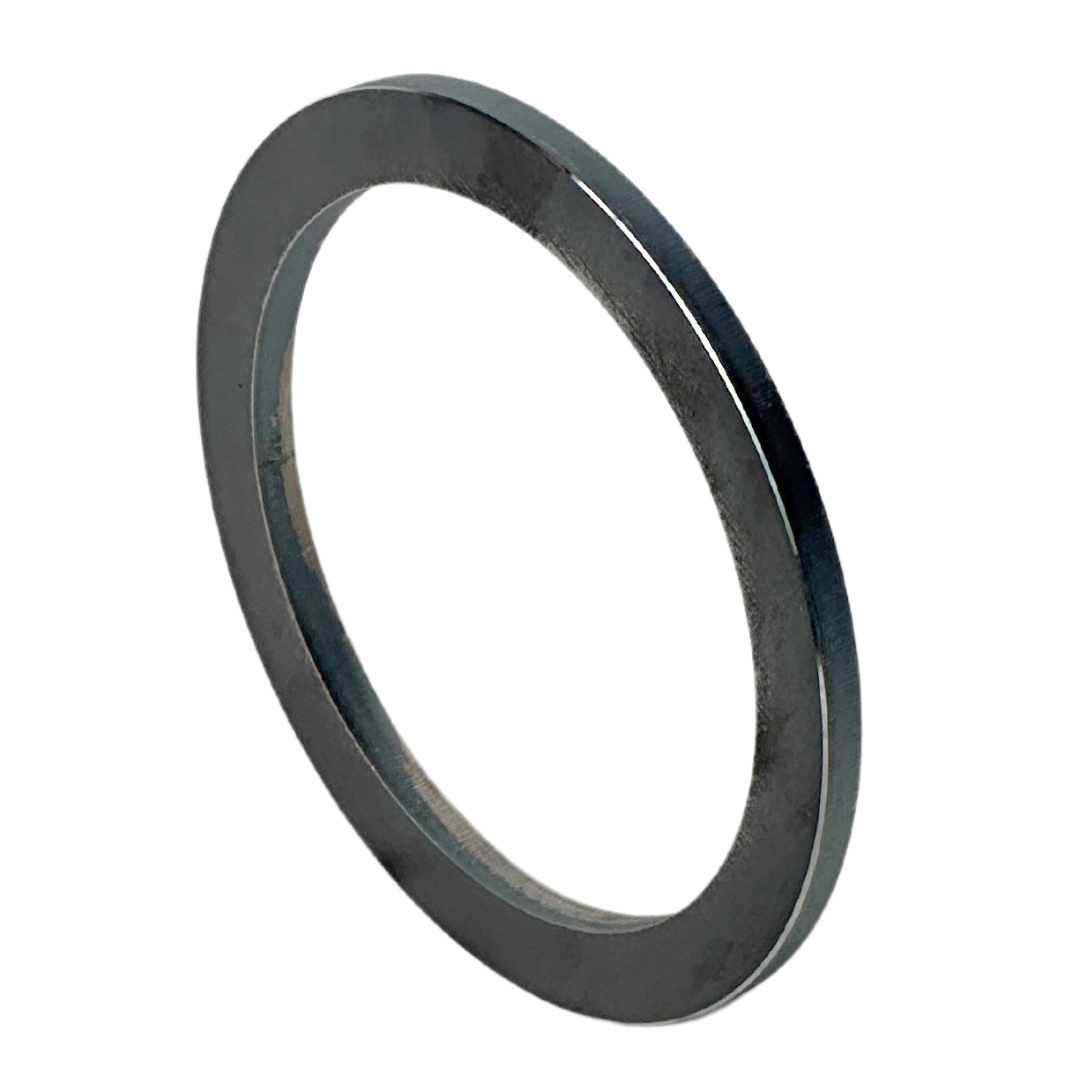
A weld-on adapter ring is permanently welded onto the pipe end. Once installed, it allows the pipe to bolt directly to a flanged valve, pump, or fitting using a gasket and bolt set.
In manure systems, these are almost always paired with steel or ductile iron flanged components
What they’re used for
You’ll typically see weld-on adapter rings used at:
-
Manure pumps (centrifugal, chopper, booster pumps)
-
Knife gate valves
-
Butterfly valves
-
WER inline choppers
-
Flow meters
-
Manure transfer manifolds
-
Pump station inlet and discharge piping
They allow critical components to be unbolted and serviced without cutting pipe.
Why they’re important in manure systems
Manure handling creates conditions that are tough on piping connections:
-
High solids content
-
Sand and bedding abrasion
-
Pressure surges during pump startup
-
Vibration from pumps and choppers
-
Seasonal disassembly and reconfiguration
Weld-on adapter rings provide a rigid, pressure-rated, and serviceable joint that holds up under those conditions.
Key featurers
-
Compatible with steel, ductile iron, and stainless flanges
-
High pressure ratings suitable for dragline pumping
-
Excellent resistance to vibration and movement
-
Works with standard rubber or EPDM gaskets
Benefits
Operational
-
Prevents leaks under pressure and vibration
-
Handles abrasive manure slurry better than threaded fittings
-
Maintains alignment on large-diameter pipe
Maintenance
-
Pumps, valves, and choppers can be removed without cutting pipe
-
Ideal for seasonal teardown and rebuilds
-
Reduces downtime during agitation and spreading windows
Pros and cons
Pros
-
Extremely strong connection
-
Long service life in abrasive environments
-
Industry standard for manure equipment
Cons
-
Permanent once welded to pipe
-
Requires proper fusion equipment and trained installation
-
Slightly higher cost than mechanical couplings
Typical pipe sizes
Most common in manure systems from: