Soft density sponge clean-out balls (often used for irrigation lines, manure piping, and transfer hoses) are manufactured through a fairly controlled foam chemistry and forming process. While they look simple, the consistency of density, compression, and abrasion resistance is what makes them effective in ag applications.
Here’s a clear breakdown of how they’re made and why each step matters:
1. Raw Material Formulation (Polyurethane Foam System)


Most sponge balls are made from flexible polyurethane foam, not natural sponge.
Core ingredients:
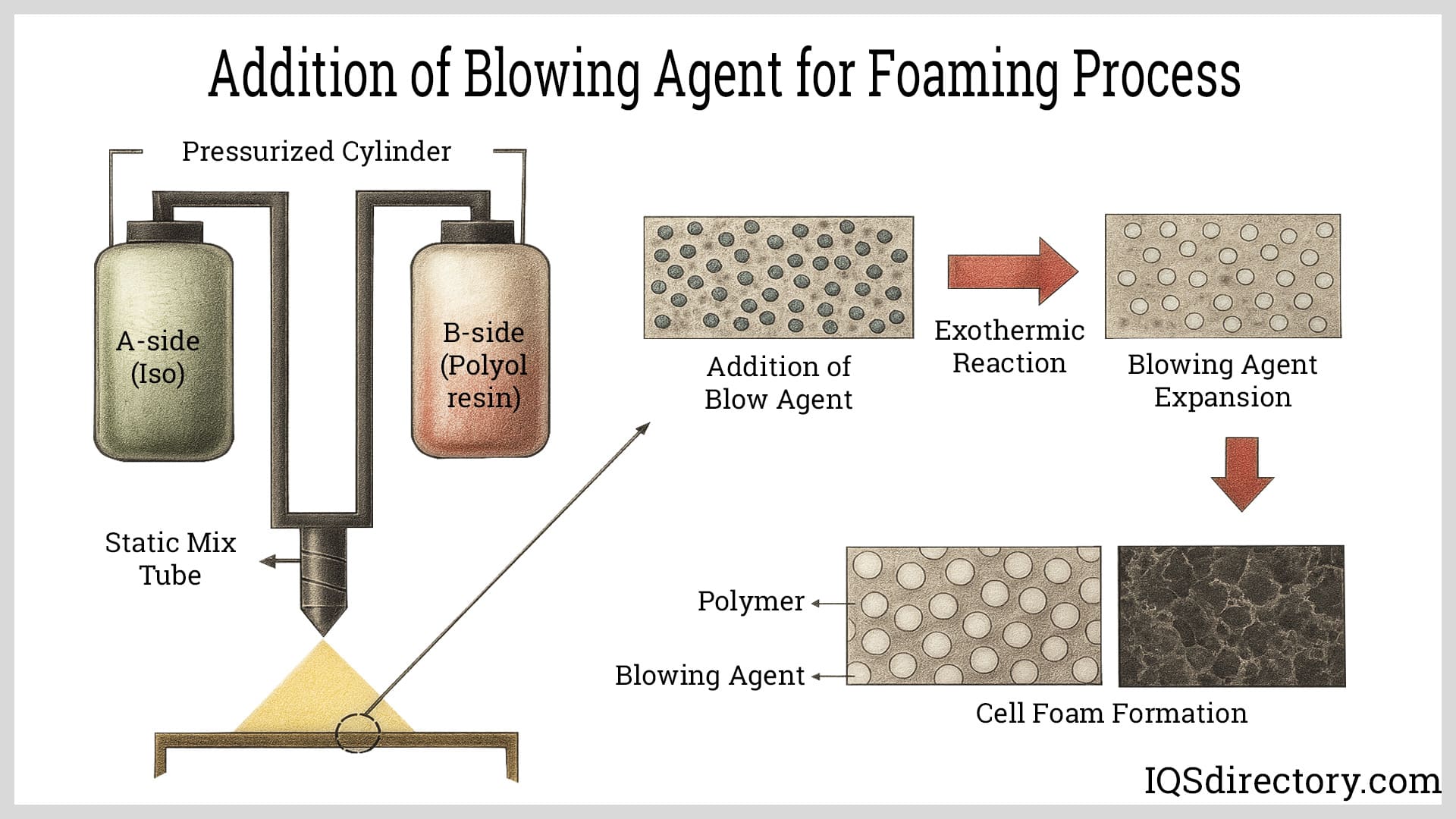
- Polyol + Isocyanate → react to form polyurethane
- Blowing agents → create the cellular (sponge-like) structure
- Catalysts & surfactants → control cell size and uniformity
- Additives → color (often orange/yellow), anti-abrasion, anti-microbial
Why this matters (features/benefits):
- Controls density (soft vs medium vs hard balls)
- Determines compression recovery (how well it rebounds after squeezing through pipe)
- Impacts durability in manure, slurry, or irrigation water environments
2. Foam Expansion (Bun or Block Formation)

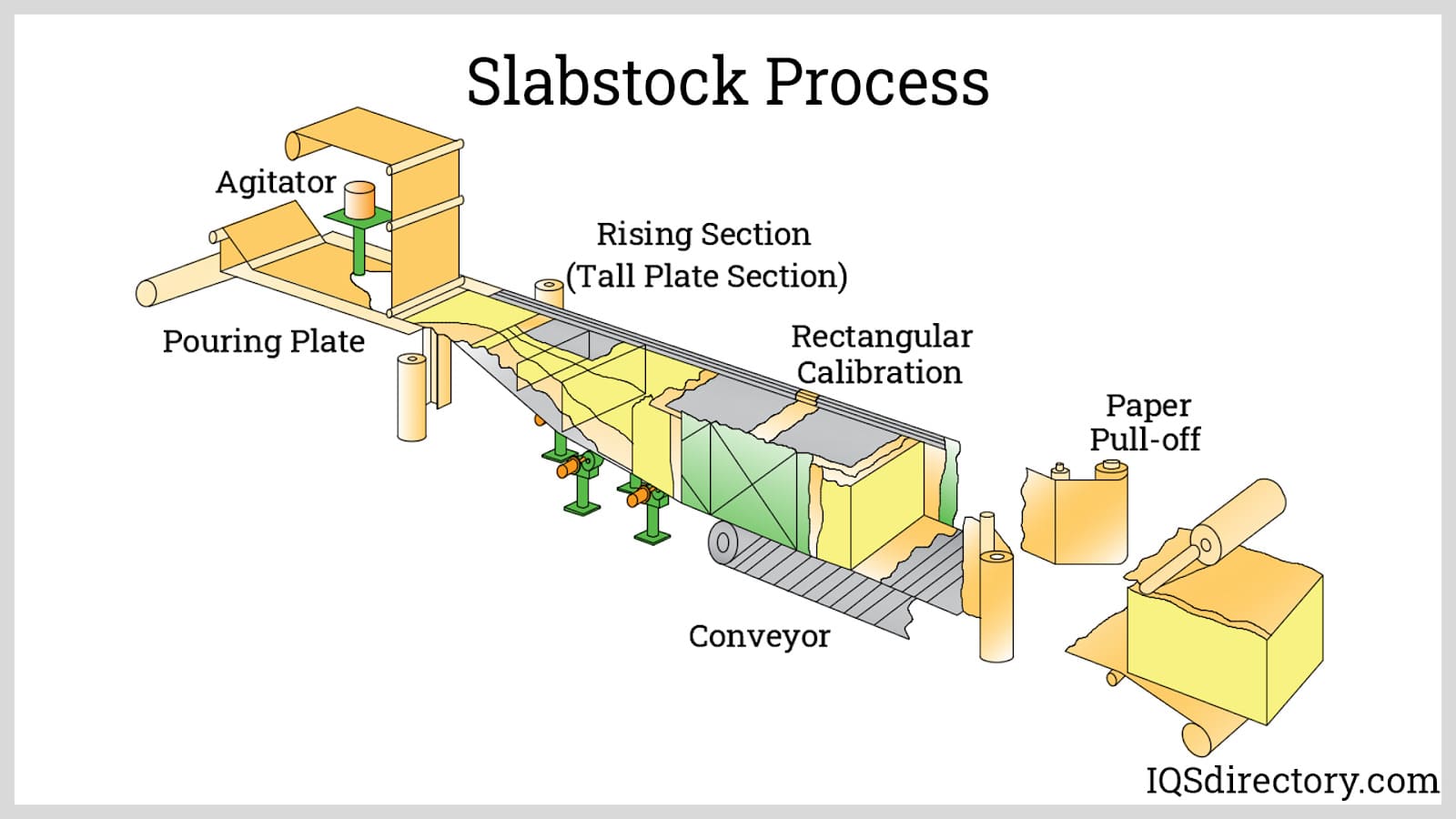
The liquid mixture is poured into a mold or onto a conveyor where it expands rapidly (like bread rising).
Process:
- Chemical reaction generates gas → foam expands
- Forms large “buns” or blocks of foam
- Blocks are left to cure and stabilize
Key variables:
- Temperature and reaction speed
- Cell structure (open-cell vs closed-cell)
Ag relevance:
- Clean-out balls use open-cell foam, allowing:
- Flexibility
- Water absorption (helps seal against pipe walls)
- Better debris pickup
3. Cutting & Shaping into Cylinders or Sheets


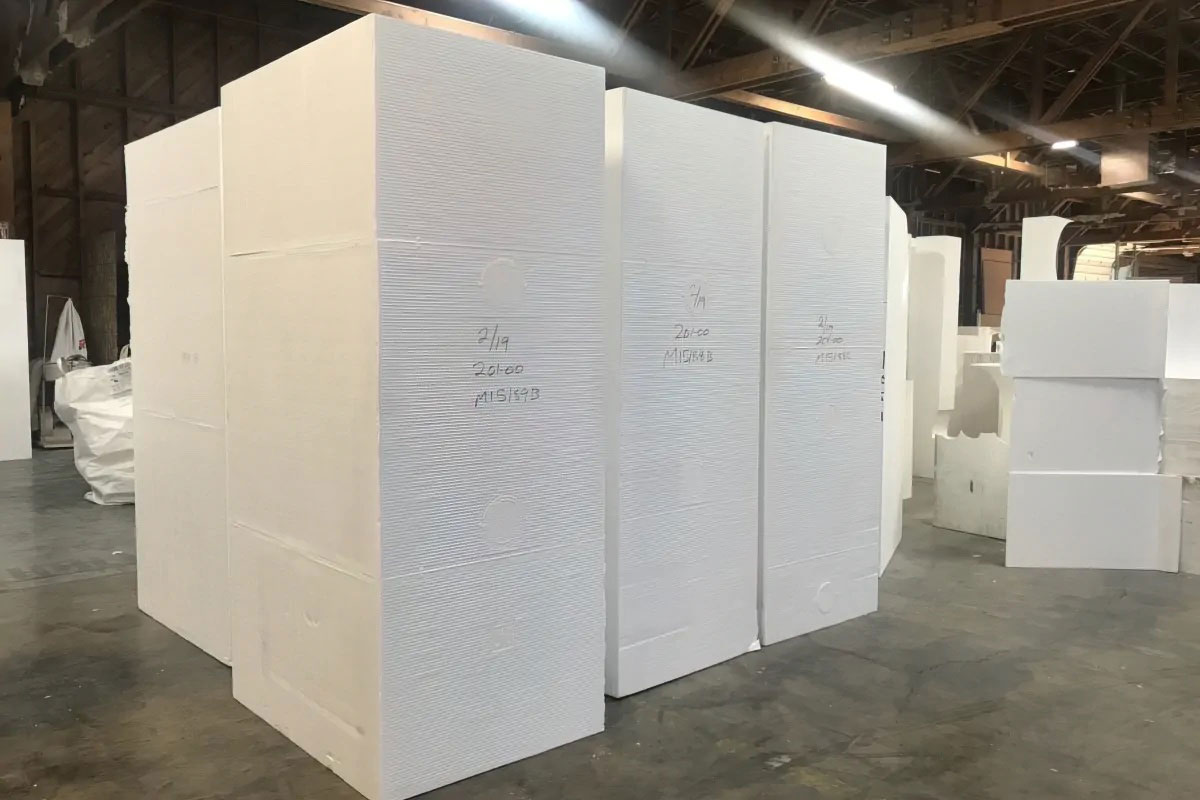
Once cured, foam blocks are cut into manageable shapes.
Methods:
- Horizontal/vertical band saws
- CNC foam cutters
These cuts create:
- Sheets
- Cylinders (used later for ball forming)
4. Ball Forming (Turning / Die Cutting)
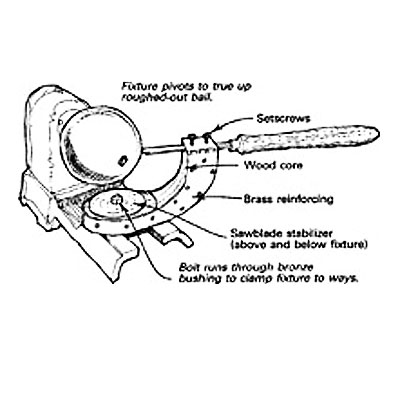

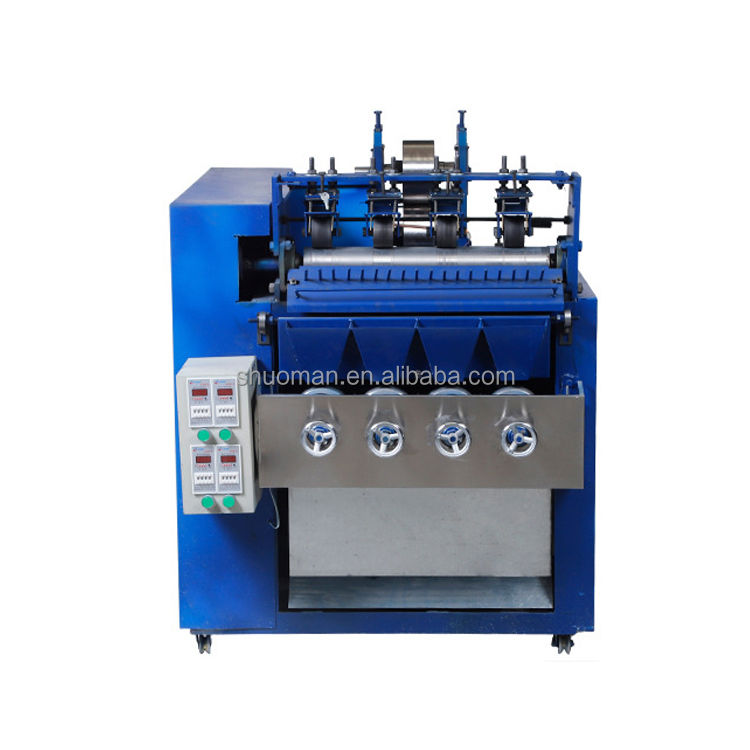
This is where the product takes its final shape.
Two common methods:
A. Lathe Turning (Most common for ag balls)
- Foam cylinders are spun
- Cutting blades shape them into spheres
B. Die Cutting / Compression Molding
- Foam is pressed into spherical molds
- Less common for softer densities
Why this matters:
- Ensures consistent diameter tolerance (critical for pipe fit)
- Smooth outer surface improves sealing and wiping action
5. Surface Treatment (Optional Enhancements)
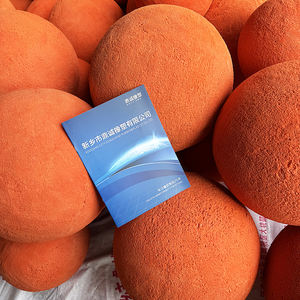

Some balls get additional treatments depending on application.
Options:
- Urethane coating → improves durability
- Abrasive coating → helps scrub buildup inside pipes
- Color coding → identifies density or size
In agriculture:
- Soft density balls are usually uncoated
- Focus is on flexibility and full pipe contact rather than abrasion
6. Quality Control & Sizing
Before packaging, manufacturers check:
- Diameter accuracy (typically slightly oversized for sealing)
- Density rating (lbs/ft³ or kg/m³)
- Compression recovery
- Tear resistance
How This Translates to Performance in the Field
Features → Benefits
Soft Density Foam
- Compresses easily → passes through bends, reducers, couplers
- Expands back → wipes pipe walls clean
Open-Cell Structure
- Holds moisture → better sealing and debris pickup
- Flexible → handles irregular pipe interiors
Oversized Diameter (typically 5–10%)
- Ensures full wall contact
- Improves cleaning efficiency
Pros & Cons (From a Practical Ag Perspective)
Pros
- Excellent for long runs of drag hose or irrigation mainline
- Handles bends, valves, and fittings well
- Lower risk of getting stuck vs harder balls
- Good for routine maintenance flushing
Cons
- Wears faster than medium or hard density balls
- Less aggressive cleaning (won’t remove heavy scale buildup)
- Can tear in rough or damaged pipe interiors
Where They’re Used in Agriculture
- Drag hose manure systems (clean-out between runs)
- Irrigation mainline flushing
- Layflat hose cleaning
- Transfer lines (water, slurry, digestate)
Triple K Irrigation offers a variety of Clean-Out Balls and Bullets. Click here to review your choices.