Farmers in the Northwest have a unique climate that includes wet winters and relatively dry summers, influencing their agricultural schedule. Here is a month-by-month breakdown of tasks, including planting and harvesting dates for corn, wheat, and vegetables, along with irrigation and other essential tasks:
January
- Tasks: Equipment maintenance, soil testing, planning for the upcoming season, planting cover crops.
- Irrigation: Not needed due to wet winter conditions.
February
- Tasks: Continue equipment maintenance, finalize crop plans, start early planting in greenhouses or cold frames (lettuce, spinach, peas).
- Irrigation: Monitor soil moisture in greenhouses.
March
- Tasks: Begin field preparation (tilling, applying fertilizers), plant early potatoes, onions, and cool-season vegetables.
- Irrigation: Regular monitoring in greenhouses, field irrigation may start if conditions are dry.
- Planting Dates:
- Vegetables: Early potatoes, onions, lettuce, spinach, peas.
April
- Tasks: Continue field preparation, start planting corn and spring wheat, plant additional cool-season vegetables.
- Irrigation: Monitor soil moisture, start field irrigation if necessary.
- Planting Dates:
- Corn: Late April to early May.
- Wheat: Early April.
- Vegetables: Carrots, radishes, broccoli, cabbage.
May
- Tasks: Finish planting corn and spring wheat, plant beans, squash, tomatoes, and peppers.
- Irrigation: Regular irrigation as the weather warms.
- Planting Dates:
- Corn: Early May.
- Wheat: Continue planting spring wheat.
- Vegetables: Beans, squash, tomatoes, peppers, cucumbers.
June
- Tasks: Finish vegetable planting, weed control, pest management, side-dress corn with nitrogen.
- Irrigation: Consistent irrigation, especially during dry spells.
- Planting Dates:
- Vegetables: Continue staggered planting for succession crops.
July
- Tasks: Pest and weed control, monitor crop health, side-dress corn if necessary.
- Irrigation: Maintain consistent irrigation, critical for corn during pollination.
- Harvesting Dates:
- Vegetables: Harvest early planted vegetables like lettuce, spinach, and peas.
August
- Tasks: Continue harvesting vegetables, monitor crop development, prepare for fall planting.
- Irrigation: Maintain irrigation for ongoing crops.
- Harvesting Dates:
- Corn: Start early corn harvest.
- Vegetables: Continue harvesting.
September
- Tasks: Harvest corn and vegetables, plant fall vegetables (broccoli, kale, radishes).
- Irrigation: Reduce irrigation as crops mature.
- Harvesting Dates:
- Corn: Continue harvesting.
- Vegetables: Ongoing harvest, start planting fall crops.
October
- Tasks: Finish corn harvest, continue harvesting vegetables, prepare fields for winter cover crops, plant winter wheat.
- Irrigation: Minimal, mainly for fall vegetables if dry.
- Harvesting Dates:
- Corn: Complete harvest.
- Vegetables: Harvest fall crops like pumpkins and squash.
November
- Tasks: Harvest remaining vegetables, soil testing, apply fall fertilizers, field cleanup, plant winter wheat.
- Irrigation: Typically not needed.
- Planting Dates:
- Wheat: Plant winter wheat.
December
- Tasks: Equipment storage and maintenance, review and plan for the next season, attend educational events, monitor winter wheat.
- Irrigation: Not needed.
Additional Notes:
- Corn Planting Dates: Optimal planting window is late April to early May.
- Wheat Planting Dates: Spring wheat is planted in early April, winter wheat is planted in November.
- Vegetable Planting Dates: Cool-season vegetables in March-April and again in fall; warm-season vegetables from May to June.
Irrigation:
- April-August: Regular irrigation for corn and vegetables, especially during dry spells.
- July-August: Critical for corn during pollination and early grain fill stages.
- September-October: Reduced need as crops mature.
This schedule helps ensure that all necessary tasks are completed on time, promoting healthy crop growth and optimizing yields in the Northwest’s climate.
What tasks should farmers in the northeast be focused on by month from January through December. Report on planting dates for corn, wheat, and vegetables. Also, projected harvesting dates, when to irrigate, and any other tasks that repeat each year.
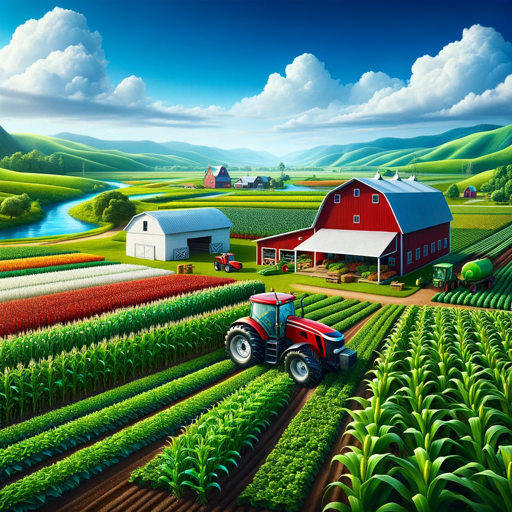
Farmers in the Northeast have to navigate a climate with cold winters and warm, humid summers, which significantly influences their agricultural calendar. Here is a month-by-month breakdown of tasks, including planting and harvesting dates for corn, wheat, and vegetables, along with irrigation and other essential tasks:
January
- Tasks: Equipment maintenance, soil testing, planning for the upcoming season, ordering seeds.
- Irrigation: Not needed.
February
- Tasks: Continue equipment maintenance, finalize crop plans, start seedlings indoors (lettuce, tomatoes, peppers).
- Irrigation: Monitor and water indoor seedlings as needed.
March
- Tasks: Begin field preparation (tilling, applying compost and fertilizers), start planting early cool-season crops in cold frames or under cover (spinach, lettuce, peas).
- Irrigation: Monitor soil moisture in greenhouses and cold frames.
- Planting Dates:
- Vegetables: Spinach, lettuce, peas.
April
- Tasks: Continue field preparation, plant early potatoes, onions, carrots, and additional cool-season vegetables, start planting corn if soil conditions permit.
- Irrigation: Start field irrigation if conditions are dry.
- Planting Dates:
- Corn: Late April.
- Wheat: Spring wheat planting starts in early April.
- Vegetables: Early potatoes, onions, carrots, radishes.
May
- Tasks: Finish planting corn and spring wheat, plant beans, squash, tomatoes, and peppers.
- Irrigation: Regular irrigation as the weather warms.
- Planting Dates:
- Corn: Early May.
- Wheat: Continue planting spring wheat.
- Vegetables: Beans, squash, tomatoes, peppers, cucumbers.
June
- Tasks: Finish vegetable planting, weed control, pest management, side-dress corn with nitrogen.
- Irrigation: Consistent irrigation, especially during dry spells.
- Planting Dates:
- Vegetables: Continue staggered planting for succession crops.
July
- Tasks: Pest and weed control, monitor crop health, side-dress corn if necessary.
- Irrigation: Maintain consistent irrigation, critical for corn during pollination.
- Harvesting Dates:
- Vegetables: Harvest early planted vegetables like lettuce, spinach, and peas.
August
- Tasks: Continue harvesting vegetables, monitor crop development, prepare for fall planting.
- Irrigation: Maintain irrigation for ongoing crops.
- Harvesting Dates:
- Corn: Start early corn harvest.
- Vegetables: Continue harvesting.
September
- Tasks: Harvest corn and vegetables, plant fall vegetables (broccoli, kale, radishes).
- Irrigation: Reduce irrigation as crops mature.
- Harvesting Dates:
- Corn: Continue harvesting.
- Vegetables: Ongoing harvest, start planting fall crops.
October
- Tasks: Finish corn harvest, continue harvesting vegetables, prepare fields for winter cover crops, plant winter wheat.
- Irrigation: Minimal, mainly for fall vegetables if dry.
- Harvesting Dates:
- Corn: Complete harvest.
- Vegetables: Harvest fall crops like pumpkins and squash.
November
- Tasks: Harvest remaining vegetables, soil testing, apply fall fertilizers, field cleanup, plant winter wheat.
- Irrigation: Typically not needed.
- Planting Dates:
- Wheat: Plant winter wheat.
December
- Tasks: Equipment storage and maintenance, review and plan for the next season, attend educational events, monitor winter wheat.
- Irrigation: Not needed.
Additional Notes:
- Corn Planting Dates: Optimal planting window is late April to early May.
- Wheat Planting Dates: Spring wheat is planted in early April, winter wheat is planted in November.
- Vegetable Planting Dates: Cool-season vegetables in March-April and again in fall; warm-season vegetables from May to June.
Irrigation:
- April-August: Regular irrigation for corn and vegetables, especially during dry spells.
- July-August: Critical for corn during pollination and early grain fill stages.
- September-October: Reduced need as crops mature.
This schedule ensures that all necessary tasks are completed on time, promoting healthy crop growth and optimizing yields in the Northeast’s climate.
Triple K Irrigation is here to help. Visit our website (www.irrigationsupplyparts.com), call us at 517-45-8741, or email us at info@triplekirrigation.com.