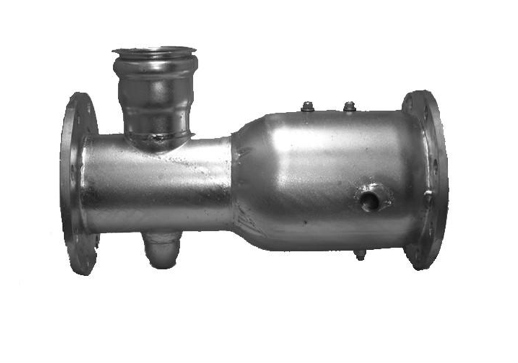
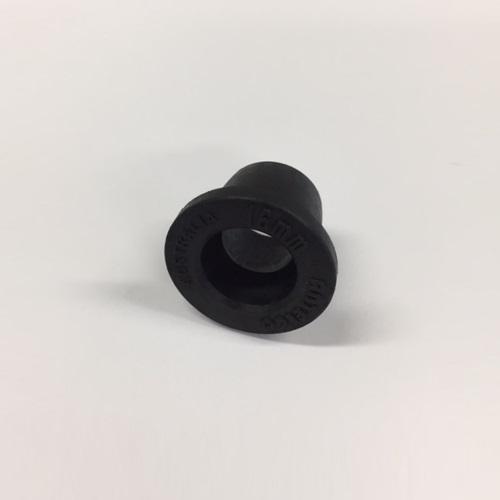
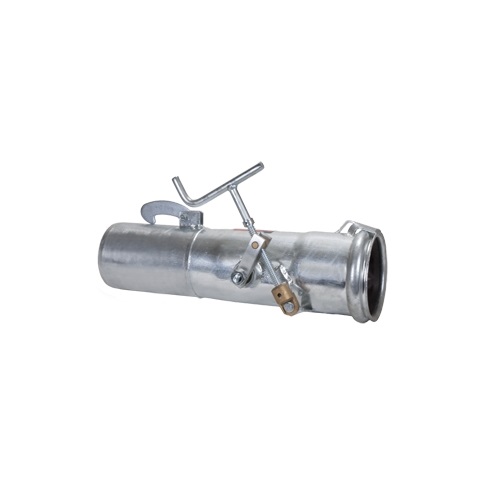
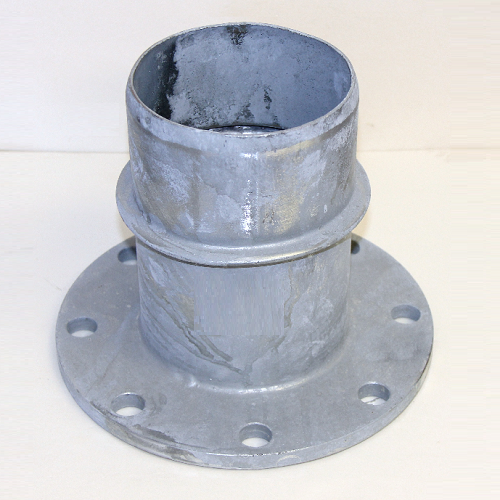
A chemigation valve is a specialized backflow prevention device used in irrigation systems where chemicals, such as fertilizers or pesticides, are introduced into the water supply. The valve ensures that these chemicals do not flow back into the primary water source, protecting it from contamination.
Key Features of a Chemigation Valve:
- Backflow Prevention:
- Equipped with a check valve that prevents reverse flow, ensuring that water and chemicals move only in the intended direction.
- Vacuum Breaker:
- Allows air into the system to prevent siphoning, which could draw chemicals back into the water source.
- Chemical Resistance:
- Made from materials that resist corrosion and degradation caused by agricultural chemicals.
- Drain Port:
- Allows any residual liquid to drain away from the valve, preventing chemical buildup.
Uses in Irrigation:
- Fertilizer Injection:
- Safely introduces nutrients into irrigation water for efficient crop feeding.
- Pesticide Application:
- Distributes pesticides evenly across fields through the irrigation system.
- Protection of Water Sources:
- Ensures compliance with regulations that safeguard public water supplies from contamination.
Benefits:
- Environmental Safety:
- Prevents chemicals from contaminating natural water sources, protecting ecosystems and drinking water.
- Compliance:
- Meets regulatory requirements for backflow prevention in agricultural practices.
- System Efficiency:
- Enables uniform chemical application, improving crop yields and reducing waste.
Maintenance:
- Regularly inspect the valve and its components, such as the check valve and vacuum breaker, for wear or damage.
- Clean the drain port and ensure it is free of obstructions.
- Replace worn-out parts promptly to maintain system integrity.
Considerations:
- Ensure the chemigation valve is sized appropriately for your irrigation system.
- Verify that the valve is compatible with the chemicals being applied to avoid material degradation.